

















Top

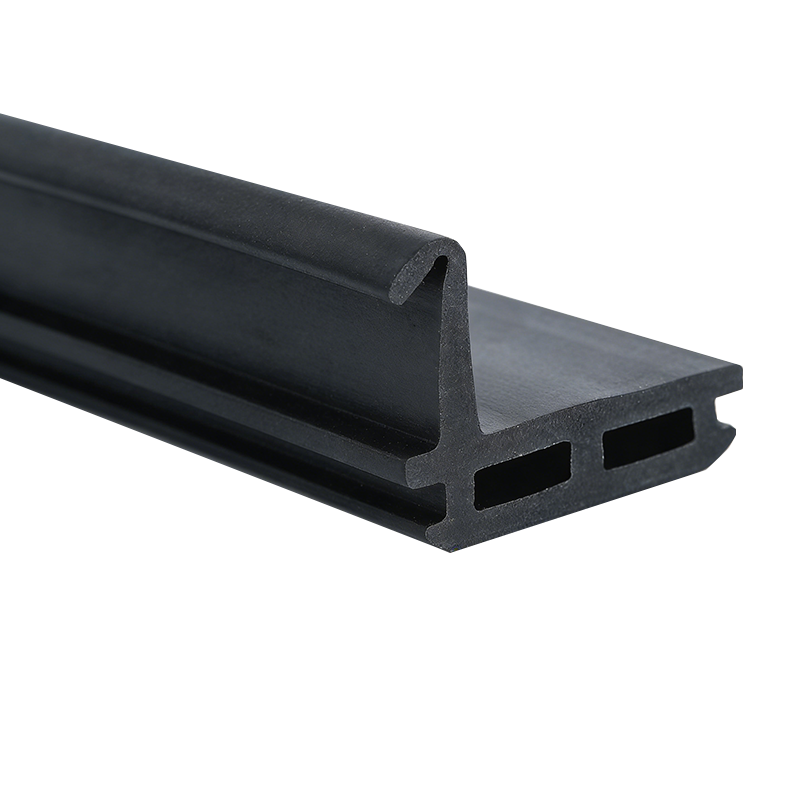
PVC strips
Flame retardant
Oil resistant
Chemical resistance
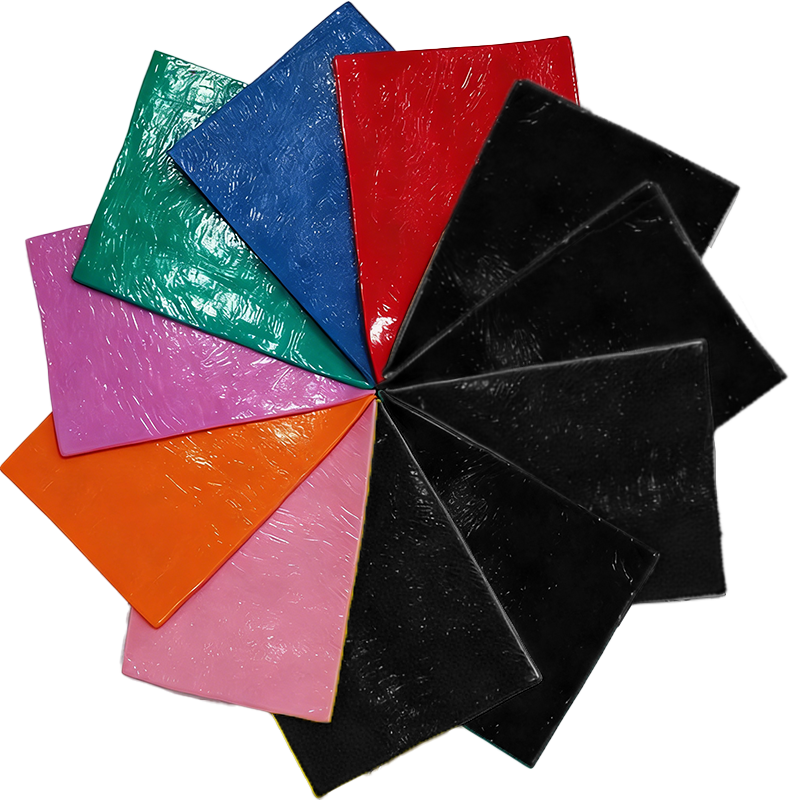
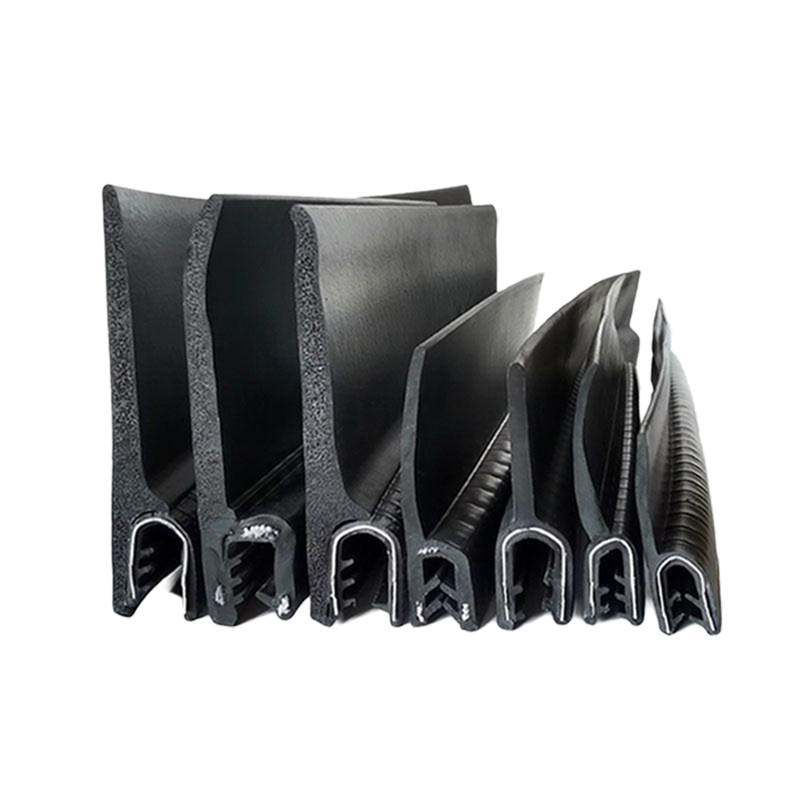
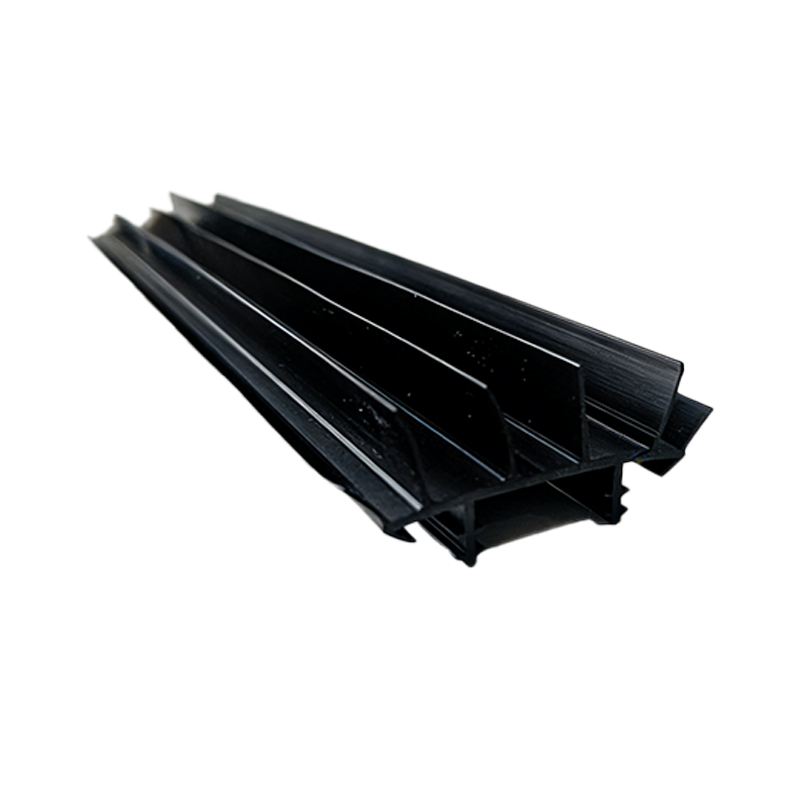
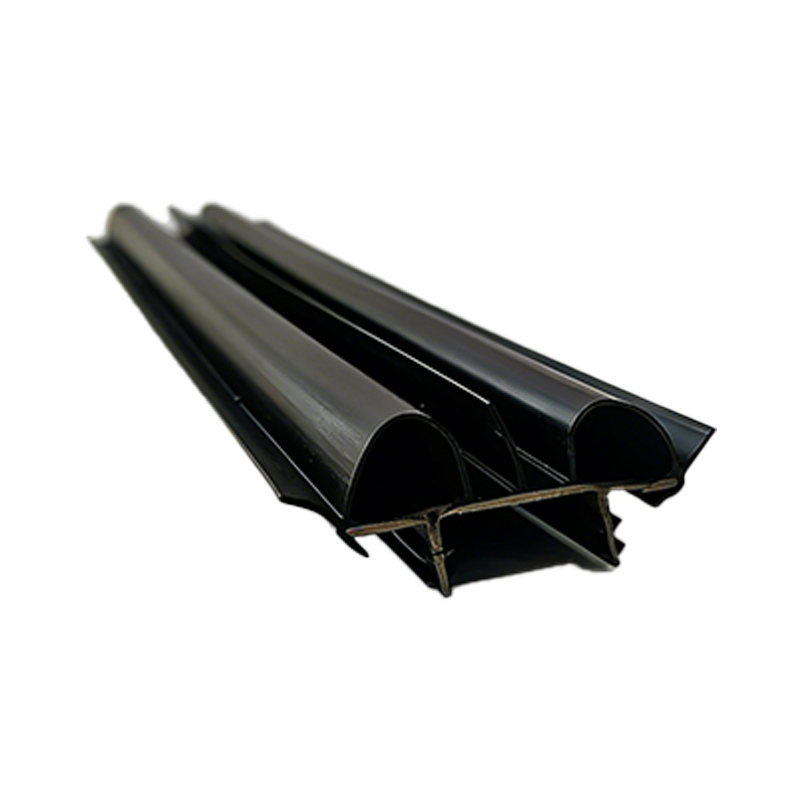
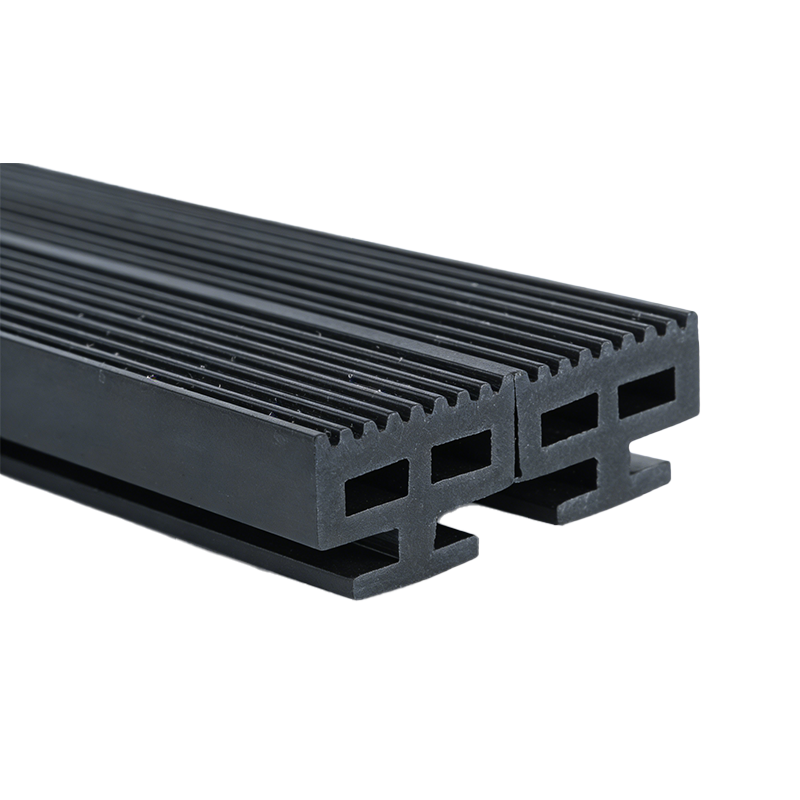
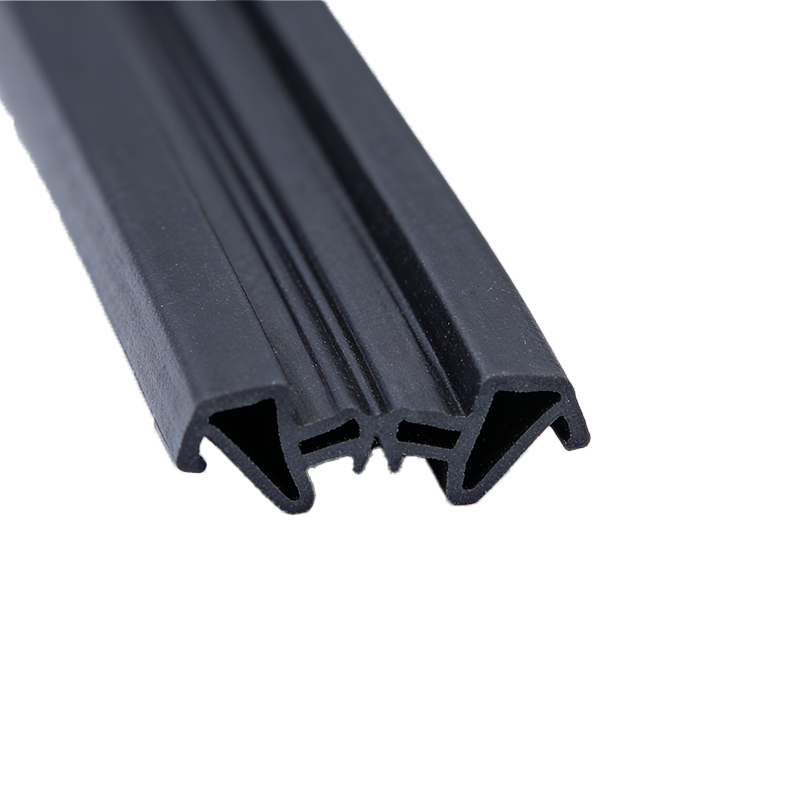
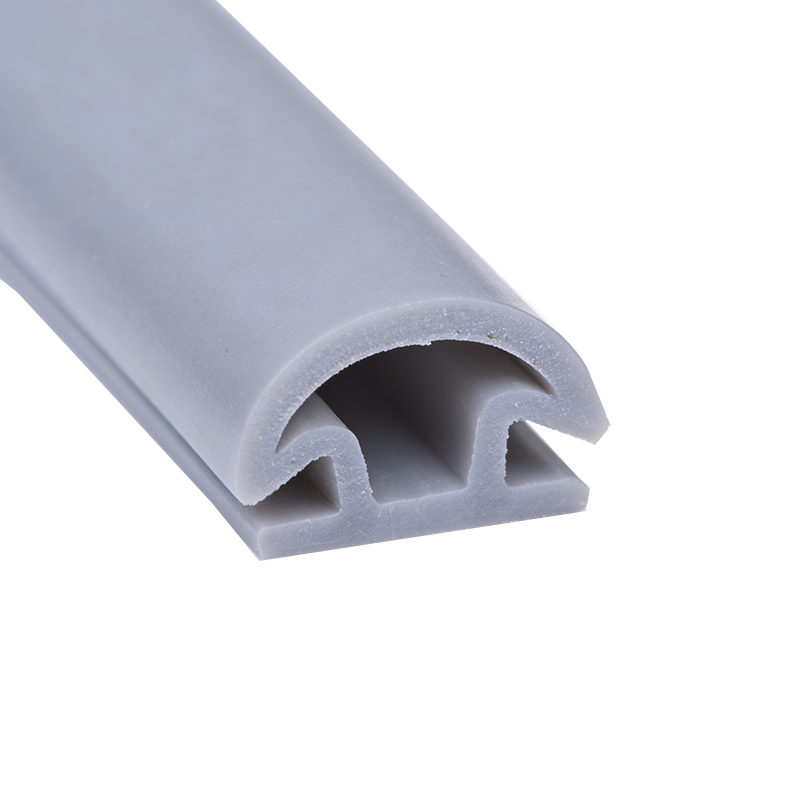
As a cost-effective option, PVC strips are a low-cost thermoplastic material that can be customized with different colors and hardness levels. However, they have poor weather resistance, tend to harden and become brittle with prolonged outdoor use, and have a narrow temperature range (-10℃ to 70℃) and limited elasticity recovery. They are mainly used in indoor door and window sealing, furniture anti-collision strips, and other applications where lifespan and performance requirements are not high.
Key Advantages:

Low cost: Raw material and production costs are significantly lower than rubber-based materials.
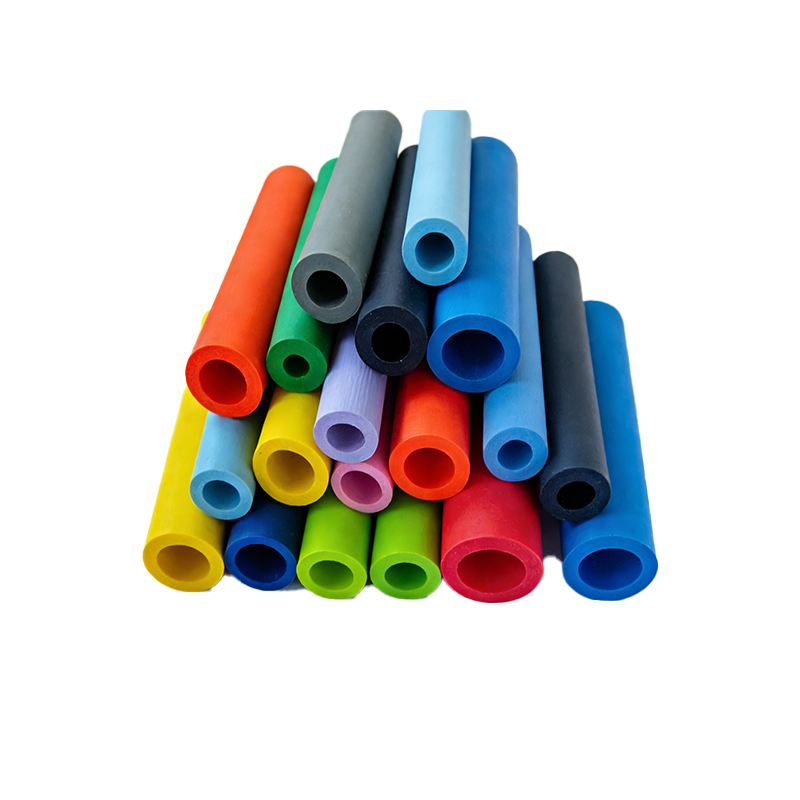
Adjustable hardness and rich colors: A wide range of hardness can be achieved by adjusting the plasticizer ratio; easy to color, allowing for the production of various colors.
 Flame retardant, oil resistant, and chemical resistant: Inherently flame retardant; exhibits some resistance to mineral oils and fuels.

Applications

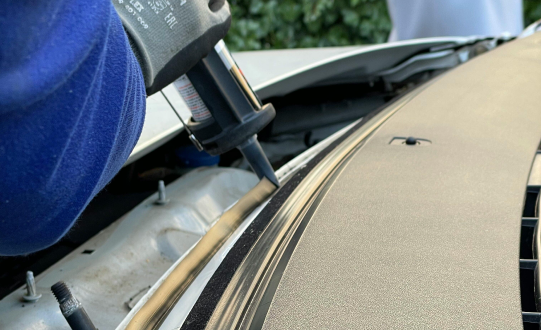
Automotive: Door/window seals, trunk seals, engine hood seals.

Construction: Curtain wall joints, window seals, roofing membranes.

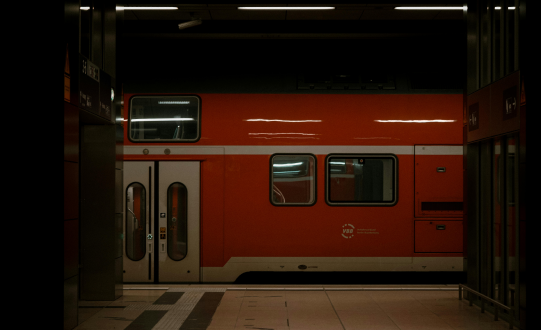
Rail Transit: Train door and window seals.

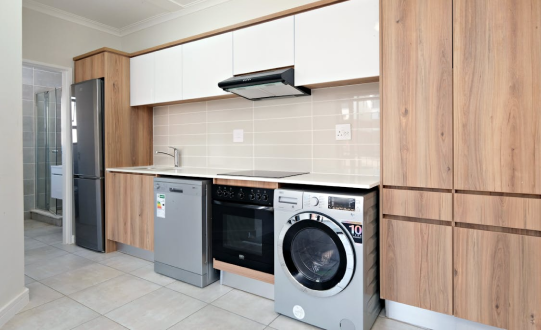
Appliances: Refrigerator and washing machine door seals.

Standard Product Property List
No.
Product Name / Test Item
5040
6533
7021
7527
8023
9040
1
Hardness IRHD
47
66
72
76
81
89
2
Tensile Strength (Min) MPa
13
10.8
7.3
7.3
8.2
13
3
Elongation at Break (Min) %
500
380
351
355
260
302
4
Hot Air Aging
70°C x 7d
Hardness Change (Max) IRHD
+4
+4
+3
+3
+4
0
Tensile Strength Change Rate (Max) %
-10
-18
-11
-10
-23
-16
Elongation Change Rate (Max) %
-21
-33
-27
-30
-35
-23
5
Compression Set Type B (Max)
(70°C, 24h) %
17
23
18
19
36
18
Production Flow
01
Auxiliary Equipment: Auto-weighing
02
Internal Mixer: Auto-mixing and Discharge
03
Open Mill: Cooling and Secondary Mixing
04
Rubber Strainer: Filtering Micro-impurities
05
Open Mill: Sheet Production
06
Batch-off Line
07
Testing
08
Warehousing
09
Packaging & Shipping